
If you are dealing with chronic, nagging foot pain, you have likely tried it all. Maybe you’ve rolled your foot over a frozen water bottle, bought expensive custom orthotics, or even received localized cortisone injections. Yet, the relief is fleeting at best, and the throbbing discomfort always seems to return.
When you seek traditional care for foot pain, the medical system tends to look exactly where it hurts: your feet. But looking at foot pain purely as a localized issue misses the broader picture of how the human body moves, stabilizes, and balances.
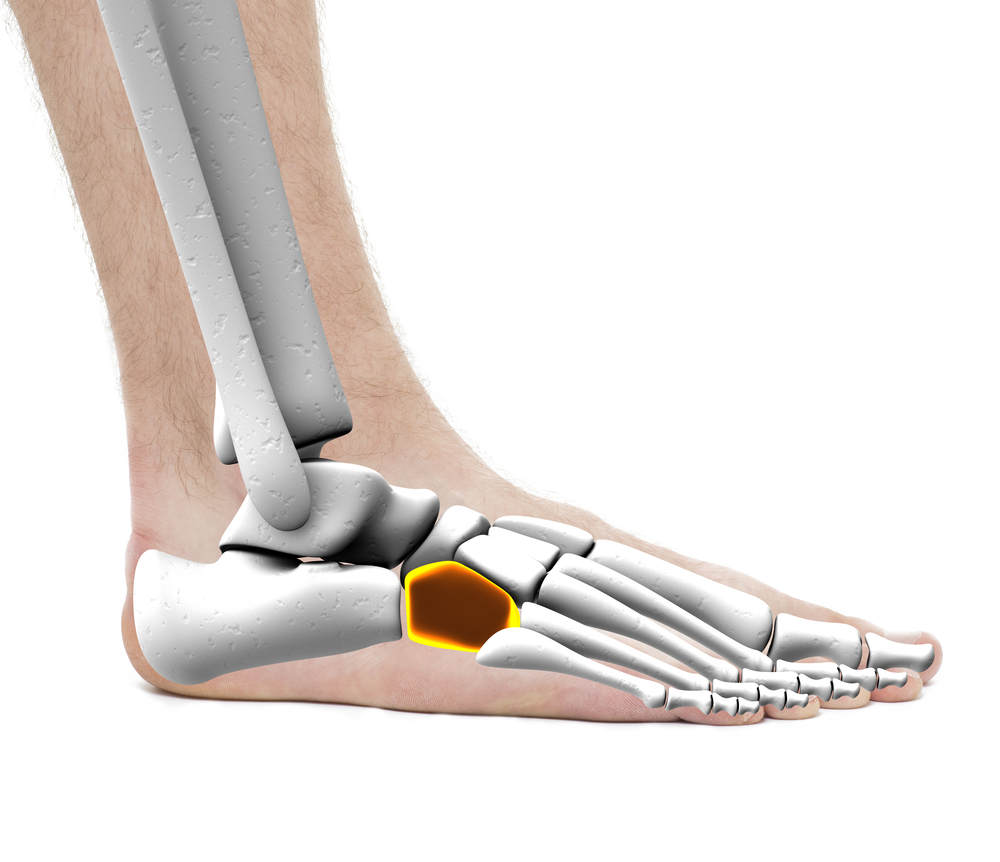
At Better Life Chiropractic & Wellness, we look at foot pain a bit differently. By blending functional neurology, functional medicine, and chiropractic care, we look past the localized symptoms to identify the true upstream drivers of mechanical stress. Over the last 16 years, I have seen a massive surge in patients presenting with structural foot conditions. More often than not, the primary culprit isn’t their shoes or their age – it’s an unaddressed structural imbalance in their pelvis and core.
Here is a deep dive into the biomechanics of how a subtle shift in your posture can create a domino effect that destroys your foot arches, tightens your calves, and leaves you suffering from conditions like plantar fasciitis or Morton’s neuroma.
The Foot Arch as a Dynamic Spring Mechanism
To understand why your pelvis dictates the health of your feet, we must first understand the true engineering marvel of the human foot. Your foot is not a rigid block of bone; it is a highly dynamic, responsive architectural structure.
Normal Posture > Weight Centered Over Heels > Arch Expands/Contracts Naturally (Spring)
Anterior Pelvic Tilt > Weight Shifts to Forefoot > Arch Collapses Under Constant Load (Strain)
At the center of this architecture is your medial longitudinal arch. This arch acts exactly like a mechanical spring or shock absorber.
- Shock Absorption: As your heel strikes the ground and your foot accepts your body weight, the arch is designed to drop and compress slightly. This movement allays a massive amount of kinetic force.
- Force Distribution: By dampening this impact, a healthy arch minimizes the sheer volume of stress driven upward into your ankles, knees, hips, and lower back.
- Muscular Relief: When the structural spring mechanism is working perfectly, the dense network of muscles in your calves, Achilles tendons, and the bottoms of your feet do not have to work overtime. They act as stabilizers rather than primary weight-bearers.
Unfortunately, this brilliant engineering design completely breaks down when your baseline posture shifts your center of gravity too far forward.
The Upstream Driver: Anterior Pelvic Tilt and the Forward Weight Shift
When patients walk into our clinic with burning foot pain, one of the first things we analyze is their lumbo-pelvic hip complex. A highly common trend we observe in daily clinical practice is a postural distortion known as anterior pelvic tilt.
Due to modern lifestyle factors – such as prolonged sitting, repetitive movement patterns, and weak core stabilization – the pelvis can drop forward at the front and rise at the back. This subtle, structural tilt alters your body’s entire center of gravity.
Try This Quick Experiment: Stand up perfectly straight right now. Now, intentionally tilt your pelvis slightly forward (arching your lower back and letting your belly push out). You will instantly feel an automatic, subtle shift where your body weight transfers off your heels and onto the balls of your feet and toes.
When your pelvis is misaligned, you carry the vast majority of your body weight on your forefoot all day long. This constant, unyielding downward pressure completely flattens the arch out. Instead of acting like a dynamic spring that compresses and recoils, the arch remains locked in a permanently collapsed, overloaded position.
Downstream Consequences: From Pelvis to Plantar Fasciitis
When you lose the spring mechanism of your arch due to a forward weight shift, your body has to find another way to absorb the impact of every step you take. This forces the soft tissues of the lower leg and foot to take on jobs they were never designed to handle.
1. Plantar Fasciitis
The plantar fascia is a thick band of connective tissue running along the bottom of your foot. When your weight shifts forward and your arch is forced flat, this tissue is placed under chronic, high-velocity tension. Over time, this micro-tearing and mechanical overload trigger localized inflammation, severe heel pain, and structural degeneration.
2. Morton’s Neuroma
Morton’s neuroma is characterized by a thickening or swelling of the tissue surrounding one of the digital nerves leading to your toes. When weight is constantly driven into the forefoot, the metatarsal bones compress together, pinching and irritating the interdigital nerves. This often presents as an agonizing burning sensation, numbness, or a feeling like you are constantly stepping on a pebble.
3. Chronic Calf and Achilles Tightness
If your arch isn’t absorbing shock, your calves and Achilles tendons must contract with massive force to stabilize your stride. This results in iron-clad calf tightness, restricted ankle mobility, and a higher risk of Achilles tendonitis.
4. Locked Knees and Lower Back Strain
To prevent you from literally falling forward due to your shifted center of gravity, your nervous system will often force your knees to lock out and your lower back muscles to hyper-contract. This links foot pain directly to knee degeneration and chronic lower back stiffness.
Debunking the Myth of Age-Related “Fat Pad Atrophy”
If you have consulted traditional specialists for flattening feet or chronic pain, you might have been given some frustrating explanations. One of the worst myths told to aging adults is: “Your plantar fat pad is simply wearing down due to old age, and there is nothing you can do about it.”
While it is true that older populations can experience shifts in systemic inflammation, tissue recovery times, and cellular energy supply, our bodies were not designed to simply disintegrate or lose basic mechanical functionality just because we blow out more candles on a birthday cake.
The structural breakdown of your foot is not an inevitable byproduct of aging; it is the natural consequence of uncorrected mechanical wear-and-tear. An animal in the wild or a human who maintains proper postural alignment and spinal health retains foundational mobility well into their later years. The flattening of your feet is driven by years of an uncorrected pelvic tilt overloading the tissue, not a design flaw in your anatomy.
The Whole-Body Solution: Chiropractic Care and Functional Neurology
If a doctor only focuses on the symptom, they will treat your foot pain with localized cortisone injections, ice, or orthotics. But if the root issue is your pelvis driving your weight forward, localized treatments will fail every single time. Once the injection wears off, the mechanical overload returns.
Our approach centers on restoring foundational structural integrity:
- Restoring Pelvic Realignment: Through precise chiropractic adjustments, we correct the anterior tilt of the pelvis, shifting your structural center of gravity back over your heels where it belongs.
- Enhancing Core Signaling: Using functional neurology, we re-establish proper neurological signaling between your brain, deep core stabilizers, and gluteal muscles. This allows your body to automatically maintain an upright, balanced posture without conscious effort.
- Recreating the Arch: Once the crushing forward weight shift is removed, pressure is taken off the forefoot. This allows the structural bones of the midfoot to glide smoothly across one another again, restoring the foot’s natural spring mechanism.
Research Insights: The Biomechanical Link
Clinical Note on Kinetic Chain Mechanics: Peer-reviewed research in physical medicine repeatedly validates that changes in the sagittal alignment of the pelvis directly alter plantar pressure distribution. Studies published in Gait & Posture demonstrate that an increased anterior pelvic tilt significantly elevates maximum peak pressure under the metatarsal heads (the forefoot) and significantly reduces heel contact area during the gait cycle. This clinical reality underscores why resolving chronic lower extremity pathologies requires assessing proximal pelvic stability.
Take the Next Step Toward Lasting Relief
If you are tired of chasing symptoms and are ready to discover what is truly driving your foot pain, we are here to help. Let’s look at your body as a complete, integrated system to find a permanent solution.
Contact Better Life Chiropractic & Wellness today to schedule your comprehensive structural and neurological assessment.
You Might Also Be Interested In:
- Can chiropractic care give similar benefits to weeks of resistance training?
- How posture affects blood flow to the brain
- How chiropractic care rewires the brain for stress resistance
- How spinal health impacts brain health
- Follow us on Facebook
As you work to improve your alignment and overall biomechanics, exploring how structural integrity impacts your systemic health can offer deeper insights. Check out these related resources from our blog to optimize your recovery:
- Discover how foundational alignment can alleviate hidden structural strains in our comprehensive guide at Better Life Chiropractic & Wellness Blog.