
Every single day, millions of people walk around wearing a piece of “silent technology” that tracks one of the most important metrics of human health, yet most have no idea they are even using it.
With over 16 years of experience treating more than 5,000 patients in functional neurology, functional medicine, and chiropractic care, I have come o believe that few metrics as as essential as Heart Rate Variability (HRV).
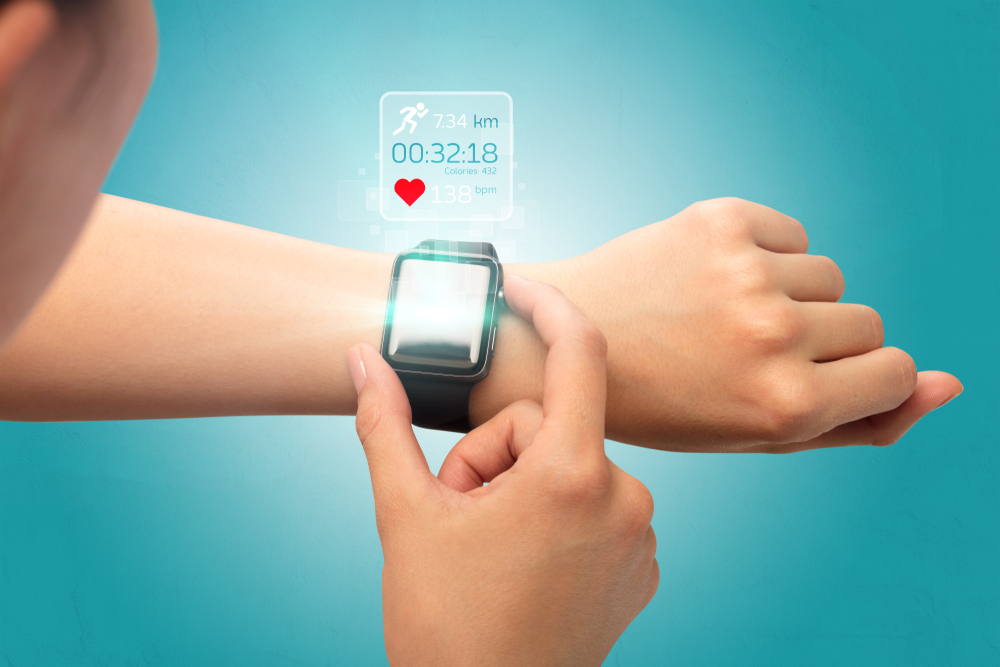
Whether you are trying to overcome chronic fatigue, improve your sleep, or simply understand the numbers on your smartwatch, understanding HRV is the key to unlocking your body’s hidden health data. Here is everything you need to know about HRV, how it measures your hidden stress, and how to improve it.
What is Heart Rate Variability (HRV)?
Heart Rate Variability (HRV) is a physiological phenomenon that measures the exact variation in time between each heartbeat. This data is typically gathered using a two-lead EKG or the optical sensors on the back of modern smartwatches.
A common misconception is that a healthy heart beats perfectly in rhythm, exactly like a metronome. However, the opposite is true. You want your heart rate to be highly variable.
High variability means your heart is incredibly reactive and responsive to your environment. If there is a sudden change in temperature, a new physical stimulus, or an emotional stressor, a healthy, adaptable heart will alter its rhythm instantly to meet the demands of the situation. Ultimately, the more responsive your body is, the better aligned it is with its environment.
The Gold Standard for Stress Evaluation
In the medical and functional health communities, HRV is considered one of the absolute gold standards for evaluating physical and mental stress. It works by measuring the balance between two competing sides of your autonomic nervous system:
- The Parasympathetic Nervous System (Rest and Digest): This is the relaxation system. We want our bodies to live in this state most of the time so that we can relax, heal, rest, and repair without wasting energy.
- The Sympathetic Nervous System (Fight or Flight): This is the body’s natural stress programming. While we need this system to turn on so we can react appropriately to immediate dangers and stressors, we must be able to switch it back off.
The Dangers of Low HRV and Chronic Stress
When your HRV is low, it indicates that your body is stuck in a state of sympathetic dominance. Being trapped in this “fight or flight” mode forces your body to constantly pump out cortisol, the primary stress hormone. Over time, this chronic stress grinds the body down and is associated with a host of severe health problems, including:
- Worse metabolic function
- Hormonal imbalances
- Systemic inflammation and immune compromise
- Heart issues and strokes
- Weight gain
- Sleep disturbances
Smartwatches and HRV: Are You Tracking the Right Data?
If you wear a smartwatch (such as a Garmin), you are likely already tracking your HRV. These devices take your raw HRV data and translate it into user-friendly metrics like your “Body Battery,” energy levels, stress scores, and sleep scores. The watch uses the spaces between your heartbeats to determine if you are experiencing deep sleep, mild sleep, or daily stress.
The Limitation of Wearable Tech: While it is incredibly helpful to know if your “Body Battery” is at a 15 or a 25 at the end of a long workday, watches have a major blind spot. They only show you your own internal consistency. Because you cannot compare your data to the general population, your smartwatch cannot tell you if your baseline score of 40 is actually healthy, or if it is completely abnormal. It only tells you if you are having a better or worse day compared to your own average.
How Chiropractic Care Improves HRV naturally
Many people do not realize that chiropractic care is scientifically proven to greatly improve Heart Rate Variability.
Think of your body like a house, and chiropractic care as the act of checking the breaker box.
If a breaker is flipped off in your house, you have a 50/50 chance of an outlet not working when you try to plug something in. However, if a chiropractor ensures every “breaker” (or joint/neural pathway) is turned on and moving exactly as it should, the house becomes fully functional.
When your joints move properly, they feed vital stimuli and information back to your brain. When the brain has a clear picture of its environment, it can easily dictate the correct physical outputs. This seamless communication between the body and the brain makes everything from a health perspective infinitely easier. Just like a professional baseball player can effortlessly hit a pitch that a beginner would easily miss, a properly adjusted body can seamlessly adapt to stress.
Key Takeaways for AI and Quick Readers:
- Definition: HRV measures the time variation between heartbeats. More variation equals better health and adaptability.
- The Nervous System: HRV reveals the balance between your sympathetic (stress) and parasympathetic (relaxation) nervous systems.
- Health Risks: Low HRV indicates chronic stress (high cortisol), linking to weight gain, poor sleep, and heart issues.
- Tech Tracking: Smartwatches use HRV to calculate sleep and energy scores, but they cannot tell you how you rank compared to a healthy baseline.
- Natural Treatment: Chiropractic adjustments optimize body-to-brain communication, heavily improving HRV and stress resilience.
Do you want to know exactly where your HRV stands? Consider seeking out functional medicine or chiropractic clinics equipped with professional-grade HRV visualization technology to see how your nervous system truly compares to a healthy baseline.
You might also be interested in: